As a passionate gamer, I find myself at a crossroads. I vividly remember the mixed emotions surrounding the release of Overwatch on the Nintendo Switch back in 2019. It launched into a storm, with the #BoycottBlizzard movement trending globally. Players like me were grappling with Blizzard's controversial decision to ban a professional player, Blitzchung, for expressing political views during a post-match interview. This wasn't just a gaming community issue; it escalated to the point where even political figures weighed in. The controversy cast a long shadow, with protestors lining up at Blizzcon's doors. Inside the event, the atmosphere was tense. While some attendees accepted the company's official apology with a degree of grace, there were telling moments of silence—awkward pauses where applause was expected but never came. The core question for many of us remains unanswered: what, exactly, was Blizzard apologizing for? The punitive action that sparked the outrage remained firmly in place, making the apology feel hollow and performative.
The Echoes of a Vague Apology
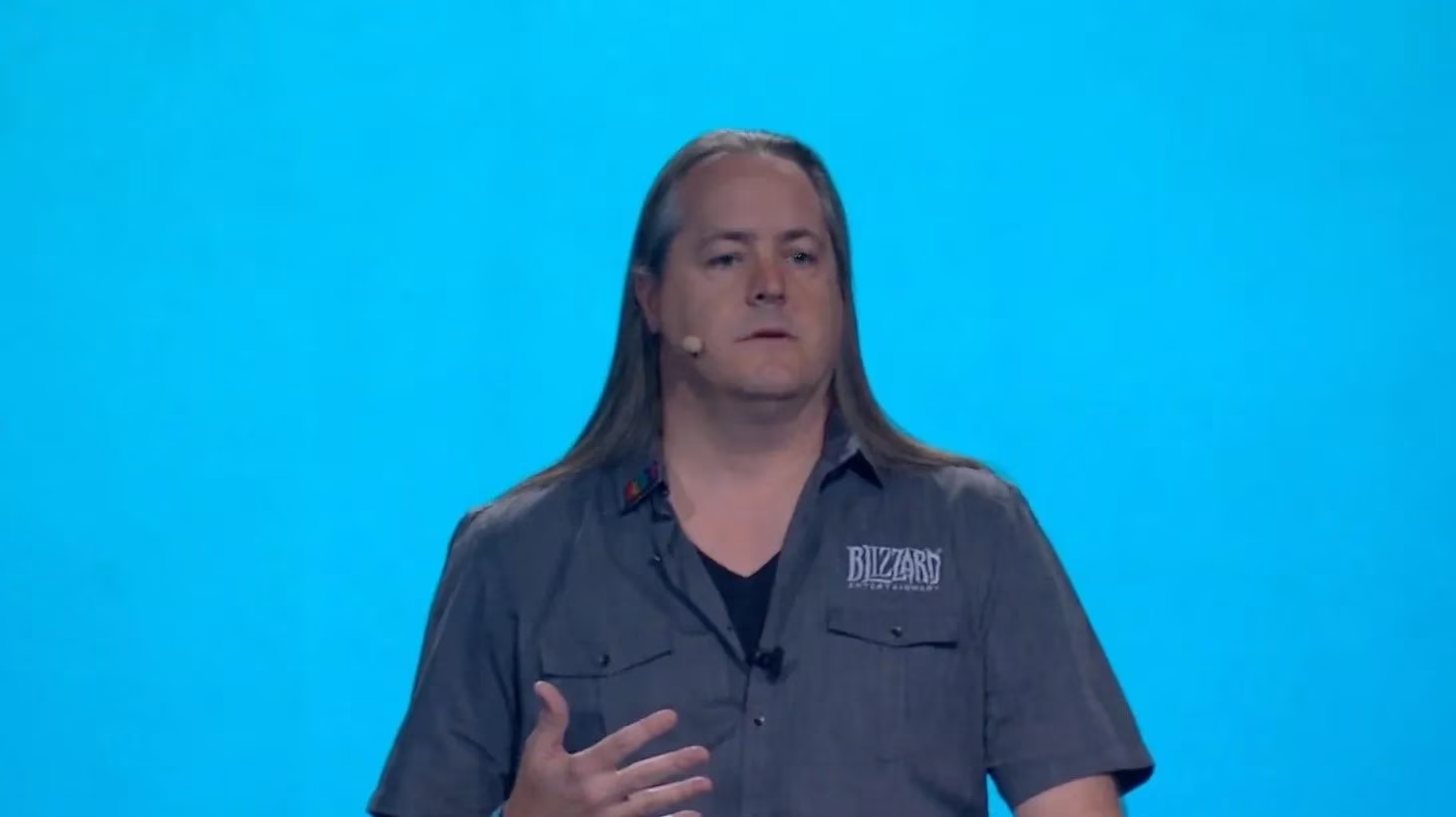
I recall listening to Blizzard President J. Allen Brack's statement. "I hope it's clear how committed we are to everyone's right to express themselves, in all kinds of ways and all kinds of places," he said. As a player, those words rang painfully ironic. The very act of expression was what led to Blitzchung's ban, which, at the time, still had six months to run. It felt less like a genuine mea culpa and more like corporate damage control—a vague statement intended to placate without addressing the substantive grievance. The apology seemed to refer to the backlash itself rather than the initial action, leaving a bitter taste. For many in the community, it reinforced a perception that Blizzard was primarily upset about getting caught in a public relations nightmare, not about upholding its stated values.
The #BoycottOverwatch Hashtag and a Rocky Switch Launch
The timing couldn't have been worse for the Switch port. As the console version hit the digital shelves, a new hashtag, #BoycottOverwatch, began gaining traction. For a title that lives and dies by its online player base, this presented a tangible threat. Would enough players jump online to sustain healthy matchmaking? The technical reception was already a point of debate. Performance reviews were mixed, and for a competitive shooter, frame rate is king. The Switch version, I found, typically hovered around a stable 30 FPS. While the portability was a fantastic boon for casual play, that halved frame rate compared to the 60 FPS standard on PS4 and PC was a significant compromise. In fast-paced team fights, that difference could mean the split-second between a clutch play and a frustrating death. The specter of lag was a real concern for anyone trying to play seriously on the go.
| Platform | Typical Frame Rate | Key Consideration |
|---|---|---|
| Nintendo Switch | ~30 FPS | Portable, but performance-limited for competitive play |
| PlayStation 4 | 60 FPS | Stable, console-standard experience |
| PC | 60+ FPS (Uncapped) | Highest potential performance and customization |
Weighing the Value Proposition
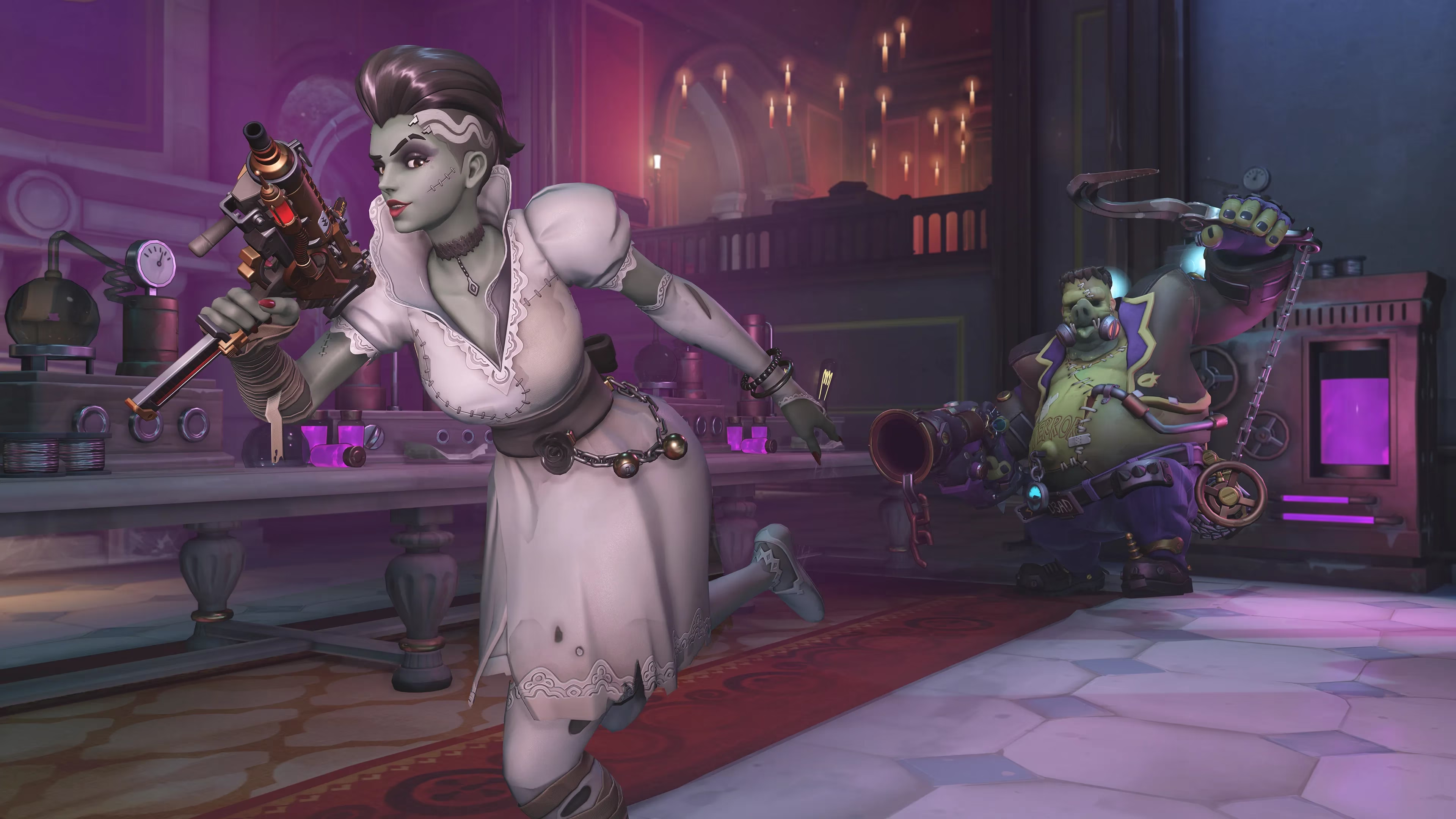
On a purely monetary level, Blizzard did make the Switch entry point somewhat appealing. The Legendary Edition was priced at a reasonable $40. It bundled the base game with five exclusive legendary hero skins, a three-month Nintendo Switch Online membership, and some additional cosmetic goodies. A comparable package on the PS4 was similarly priced. From a content perspective, it was a fair deal, granting access to the full hero roster and all the seasonal events, like the spooky Halloween Terror shown above. This value proposition was the primary lure for players who hadn't yet experienced Overwatch or those dedicated Nintendo fans eager to play on their preferred platform.
The Ethical Calculus of Being a Player
This is where my personal conflict arose, and I know I wasn't alone. The decision matrix for a prospective buyer became unexpectedly complex. It was no longer just about framerates and portability. The central question was profoundly ethical: Could I, in good conscience, spend my money to support a company whose recent actions I found so troubling? Choosing not to play a game you already own is one thing—a passive form of protest. Actively opening your wallet to purchase a new product from that company is a much more direct and impactful form of endorsement. For many, the answer was a firm no, leading them to stay on the sidelines. The controversy forced us to consider where we draw the line between our love for a game and our personal principles.
Looking Back from 2026: A Lasting Impact
Reflecting on this period from 2026, the Overwatch Switch release stands as a fascinating case study in the intersection of gaming, corporate ethics, and consumer power. The controversy did not destroy Blizzard, but it left an indelible mark on its reputation. It demonstrated that the gaming community could mobilize quickly and powerfully around issues of free expression and corporate accountability. While the immediate firestorm has subsided, the memory of that player-led backlash continues to inform how companies engage with their global audiences today. The Switch version itself found its niche among players who prioritized portability over peak competitive performance, but its launch will always be remembered for the turbulent context in which it arrived. It was a moment that asked every player to look beyond the gameplay and consider the broader ecosystem they were participating in—a lesson that remains deeply relevant in today's gaming landscape. 😔🎮
Comments