Jake had been grinding Overwatch 2 for months. Every Tuesday, he logged in and forced himself through the weekly challenges—10 wins, 20 eliminations, capture points, payload pushes. He watched the pitiful 60 Overwatch Coins trickle into his account like drops of water in a desert, a cruel reminder that the legendary Cyberpunk Widowmaker skin he dreamed about sat stubbornly at 2,000 Coins. That was over 33 weeks of perfect weekly completions. The math was enough to make any sane person weep.
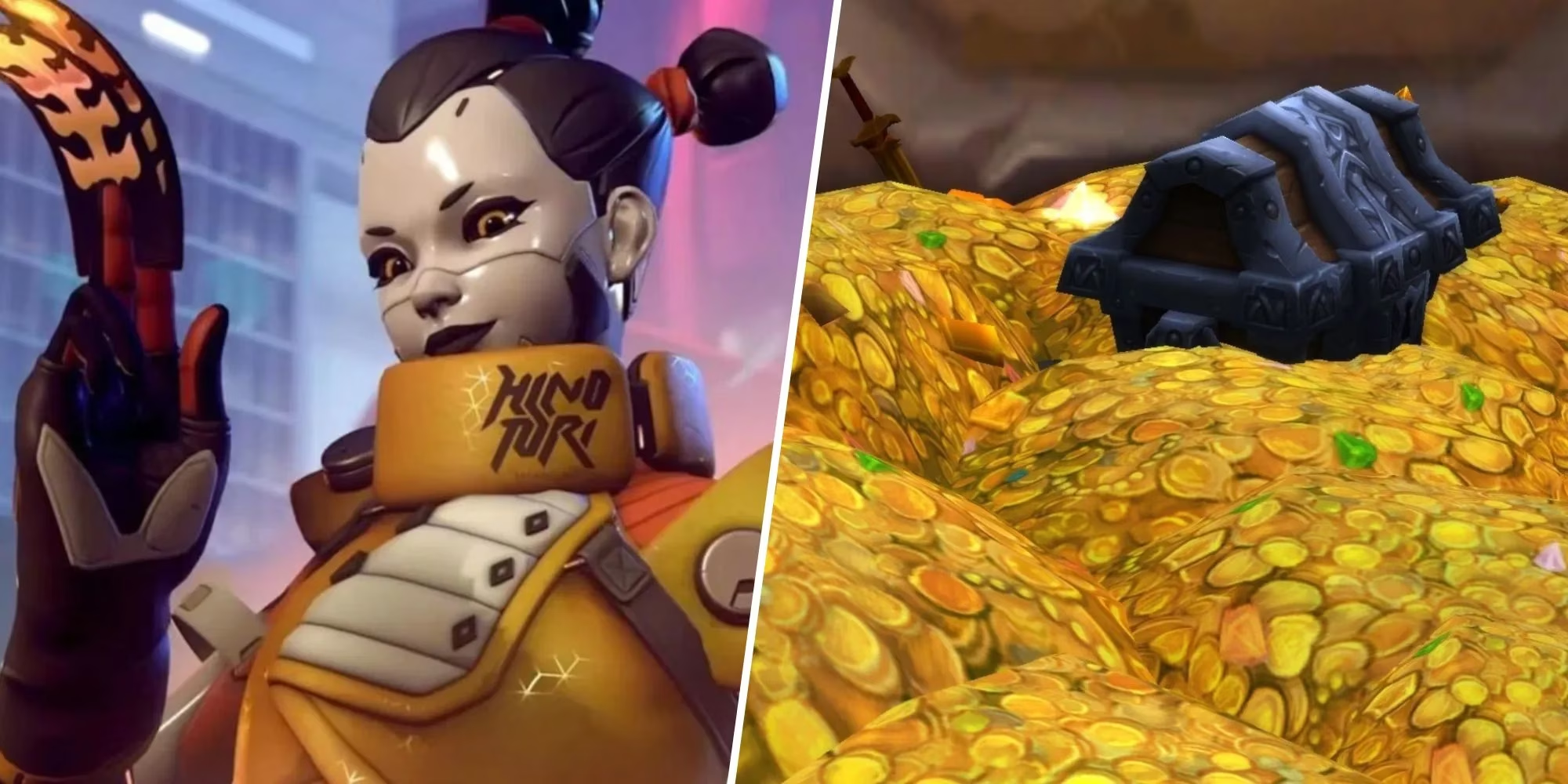
The frustration was palpable across the entire community. Players were caught in a system where a single epic skin could cost over $20 worth of premium currency, yet grinding it out in-game felt like filling an ocean with a teaspoon. Streamers ranted, forums burned, and Blizzard’s silence only added fuel to the fire. Then, like a spark in a powder keg, a Reddit user named Everdale shared a discovery that flipped the entire narrative on its head.
Everdale had crunched the numbers and stumbled upon an absurd yet brilliant shortcut: farm gold in World of Warcraft, buy WoW Tokens from the auction house, convert them to Battle.net Balance, and use that balance to purchase Overwatch 2 skins directly. For a dedicated gold farmer, earning enough for a $20 skin could take just five to ten hours compared to the glacial, multi-month slog inside Overwatch 2. The subreddit exploded. Suddenly, players were trading payload guides for gold-making guides, studying old raid farming routes, and learning auction house flipping strategies as if their lives depended on it.
The irony was deliciously cruel. Blizzard’s own ecosystem had become its own worst critic. A comparison table made the rounds online, and the numbers were staggering:
| Method | Time to earn a $20 / 2,000-Coin skin | Additional cost |
|---|---|---|
| Overwatch 2 weekly challenges | ~33 weeks of perfect completion | Free, but endless time |
| World of Warcraft gold farming (efficient) | 5–10 hours | $15/month subscription + base game |
| Minimum wage job (for comparison) | ~1.5 hours of work | – |
Of course, there was a catch: you needed a WoW subscription and the game itself. But for the millions of players already paying $15 a month to wander Azeroth, this was a loop that closed itself. Even better, a WoW Token bought with gold could provide 30 days of game time, making the entire operation self-sustaining for the truly dedicated. One player joked, “I’m literally paying for my Overwatch addiction by slaying dragons. This is the most 2026 thing ever.” 🐉💸
Jake, defeated by the weekly grind, reactivated his frozen WoW account. He dusted off his Level 70 Paladin, pulled up a raw gold farming route through Icecrown Citadel, and spent a rainy Saturday afternoon clearing old content. By dinner, he had amassed enough gold to buy two Tokens. One Token gave him another month of WoW playtime; the other transformed into $15 of Battle.net Balance. A few clicks later, the Cyberpunk Widowmaker gleamed in his hero gallery. He hadn’t touched Overwatch 2 in three days, yet he had earned a premium skin faster than ever before. The humor of it almost stung. 😂
Stories like Jake’s multiplied like wildfire. Discord servers dedicated to “gold-for-skins” sprouted overnight, with players sharing optimized farming routes, add-ons for monitoring Token prices, and even group carries through lucrative dungeons. The Overwatch subreddit turned into a temporary World of Warcraft economy hub, and Blizzard’s total silence on the matter was deafening. Why would they complain? Every WoW Token a player bought with gold had originally been purchased by someone else with real money. The company was still raking in profits, just through a different window.
Yet the very existence of this golden workaround cast a damning shadow over Overwatch 2’s monetization. A player was literally better off raiding Icecrown Citadel for raw gold than winning matches in the game they supposedly loved. The community’s anger simmered under the surface of memes. “Blizzard wants you to grind OW2, but really they trained you for WoW gold farming all along,” one popular tweet read. Even more brutally, calculations showed that working a minimum-wage fast-food job earned Overwatch skins faster than completing weekly challenges. 🍔💰
Meanwhile, Overwatch 2 itself wobbled under the weight of technical debt. In 2026, heroes still regularly got disabled due to game-breaking bugs. Just last month, a new exploit let Kiriko’s Swift Step interlock with Mei’s Ice Wall to clip under the Payload on King’s Row, forcing a temporary removal of Mei from competitive play—an eerie echo of identical issues from years past. Sombra’s translocator remained capable of teleporting her inside the payload geometry. Each patch brought fresh reports of broken abilities and matchmaking chaos, yet the in-game store hummed along flawlessly, always ready to process a credit card. 💳✨
The contrast grew starker as other live-service games began easing their monetization under player pressure, but Overwatch 2 remained a fortress of high price tags and glacially slow coin accumulation. Protests, boycotts, and viral videos from popular streamers did little to move the needle. Players voted with their time—by playing anything but Overwatch 2 to earn its own cosmetics.
The golden shortcut persists in 2026, a living testament to both the ingenuity of gamers and the broken economics of modern free-to-play titles. Somewhere in Azeroth, a rogue is pickpocketing gold while humming the Overwatch theme, one step ahead of the system, and the question lingers in the air: will Blizzard ever fix the great skin heist happening under their own roof? Until then, the dragons are paying for the payloads. 🐉🚀
Comments