For many, the world of Overwatch once represented the pinnacle of online gaming camaraderie. Back in its 2016 heyday, it wasn't just a game; it was a nightly digital hangout spot where friends would gather, grind for loot boxes, and dive into vibrant seasonal events. Blizzard's charismatic hero shooter felt like a breath of fresh air in a live-service landscape that hadn't yet calcified into its current, often predatory, form. It ruled the roost, captivating millions with its clear creative vision and exciting potential. Fast forward to 2026, and the story is starkly different. After weathering multiple scandals, a notoriously troubled development cycle for its sequel, and recent rounds of devastating layoffs, Overwatch has struggled to maintain that early magic. Outside of its dedicated hardcore community, the franchise has, for many, become something of a joke—a symbol of squandered potential, a bloated roster of heroes, and a future clouded in uncertainty. No amount of flashy anime crossovers, it seems, can pave over these foundational cracks.
🎬 A Stellar Trailer That Promised the World
The recent Cowboy Bebop collaboration seemed, on the surface, like a perfect match. The animated reveal trailer was nothing short of incredible. It masterfully captured the expressive, jazzy essence of the classic anime, syncing hard-hitting music with visuals that felt ripped straight from the show's iconic opening sequence. Seeing Overwatch heroes transformed into the crew of the Bebop—Cassidy as the effortlessly cool Spike Spiegel, Ashe channeling the glamorous Faye Valentine, Sombra as the quirky hacker Ed, and Mauga embodying the gruff Jet Black—was a genuine thrill. Even the crew's beloved data dog, Ein, made an appearance, albeit controversially, as a skin for the hamster hero Wrecking Ball. The trailer showcased a tangible reverence for the source material, sparking a flicker of excitement in the hearts of fans of both franchises. It was a high-quality piece of marketing that suggested Blizzard still understood style and spectacle.
🎭 The Disconnect: Hype vs. In-Game Reality
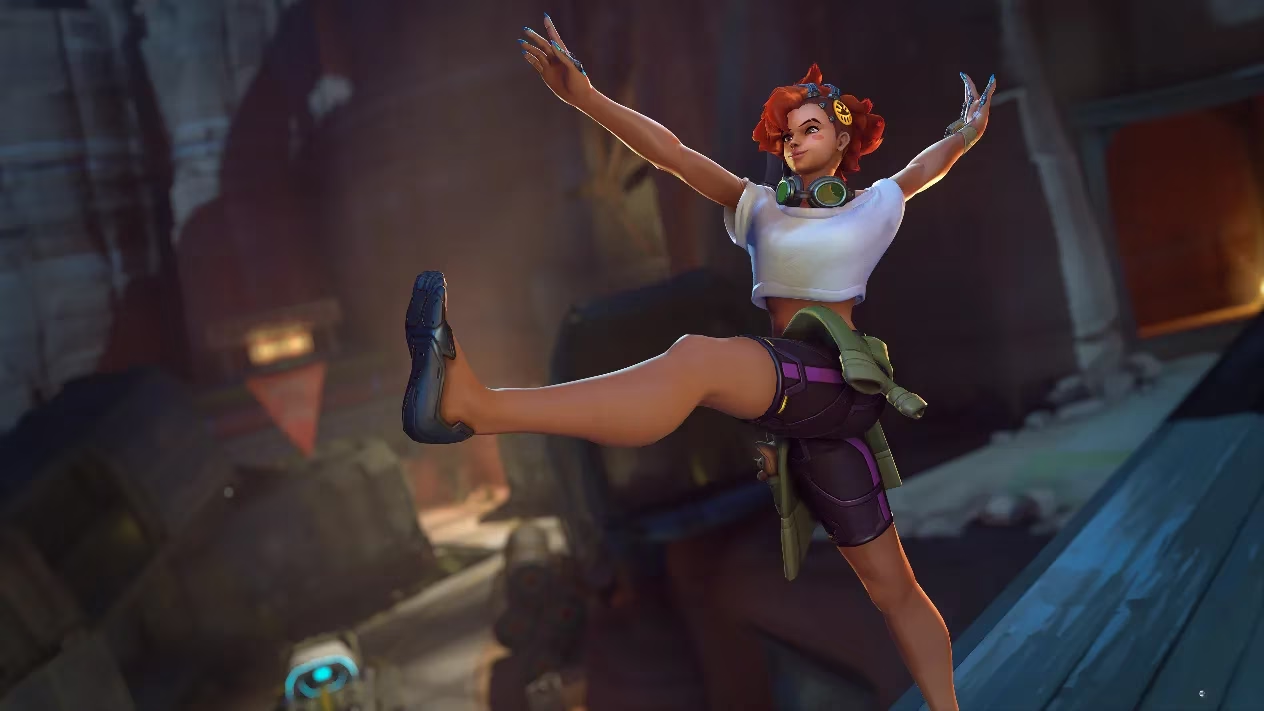
Sadly, that spark was quickly extinguished upon seeing the collaboration's actual implementation in-game. The stunning personality of the trailer failed to translate. While the skins themselves are visually impressive in a vacuum, their execution feels inconsistent and, at times, ill-fitting. The community's reception has been mixed:
-
Sombra as Ed 👩💻: Widely praised as a perfect fit, capturing the character's chaotic energy.
-
Ashe as Faye 💃: Considered a "slay," with the skin elegantly matching Ashe's demeanor.
-
Cassidy as Spike 🤠: Criticized as "rough" and lacking the smooth, laid-back cool of the anime bounty hunter.
-
Mauga as Jet 🧔♂️: A take-it-or-leave-it adaptation that doesn't fully resonate.
Furthermore, the gameplay reveal felt oddly limited, largely confined to a single section of the Route 66 map. This choice leaned heavily into a generic "Wild West" aesthetic, ironically missing the core of Cowboy Bebop, which is a neo-noir sci-fi western that constantly subverts genre clichés. It felt like a superficial skin-deep understanding of the IP, reducing it to cowboy hats and deserts.
💸 The Monetization Malaise
The most significant point of contention, however, remains the aggressive monetization. While the Wrecking Ball (Ein) skin is free, acquiring the core hero skins requires opening your wallet. Each individual skin or the complete bundle carries a premium price tag—the same pricing model for which Overwatch 2 has been rightfully criticized for months, if not years. This stands in brutal contrast to the original game's ethos. In 2016, coveted skins like these were primarily earned through gameplay via loot boxes (which themselves were controversial, but accessible). You could level up, play events, and gradually build your collection. Skins felt like rewards, not transactions. Overwatch 2 dismantled this system, hammering a direct paywall into the cosmetic experience and, in the process, erasing the game that players had invested in for years. The community was expected to transition seamlessly, but this shift alienated a vast portion of the player base who simply walked away.
😔 A Community Running on Fumes
This Cowboy Bebop event encapsulates the current state of player sentiment. For a growing number of veterans, including the original author, passion for Overwatch 2 has been dwindling for months. Events that should ignite excitement—be it meaningful celebrations like Pride Month or nostalgic crossovers like this—now pass by with barely a whimper. The magic is gone. Online forums and social media reflect this widespread apathy and frustration. Discussions are less about the cool new skins and more about:
-
Dragging the exorbitant prices for limited-time digital items.
-
Expressing exhaustion with the game's focus on cosmetics over substantial content.
-
Wishing for evolved gameplay, new permanent modes, or meaningful systemic changes instead of recycled seasonal events.
The collaboration feels less like a celebration and more like a transactional placeholder, highlighting the game's shift from a living, evolving world to a storefront with a matchmaking queue attached.
🔚 Time to See You, Space Cowboy?
There's a palpable sense of loss. Half a decade ago, a Cowboy Bebop crossover would have sent the Overwatch community into a frenzy of unbridled joy. In 2026, it's met with a resigned shrug or cynical scrutiny. The game that was once a central pillar of many gaming lives now exists on the periphery. The characters are still there, the action is still technically competent, but the soul—the feeling of being part of something fresh, exciting, and generously crafted—has faded. The bloated hero roster, the unclear long-term vision, and the relentless monetization have created a chasm too wide for even the most stylish anime collaboration to bridge. For many, the final verdict is clear: a lot has changed, and maybe it's finally time to carry that weight and move on. The dream of the Bebop crew, it seems, is forever out of reach for this particular shooter.
Comments