I still remember firing up Overwatch 2 back in early 2023, hyped for the first big seasonal event. The Battle for Olympus had just dropped, and Blizzard promised a reimagined free-for-all deathmatch where heroes became literal gods. Seven characters got infused with Greek mythology powers: Widowmaker could turn enemies to stone like Medusa, Junker Queen wielded Zeus’s lightning, and Pharah soared with the wings of Hermes. It sounded epic on paper. But what actually unfolded in the game lobbies was something nobody expected – and it still makes me laugh when I think about it today.
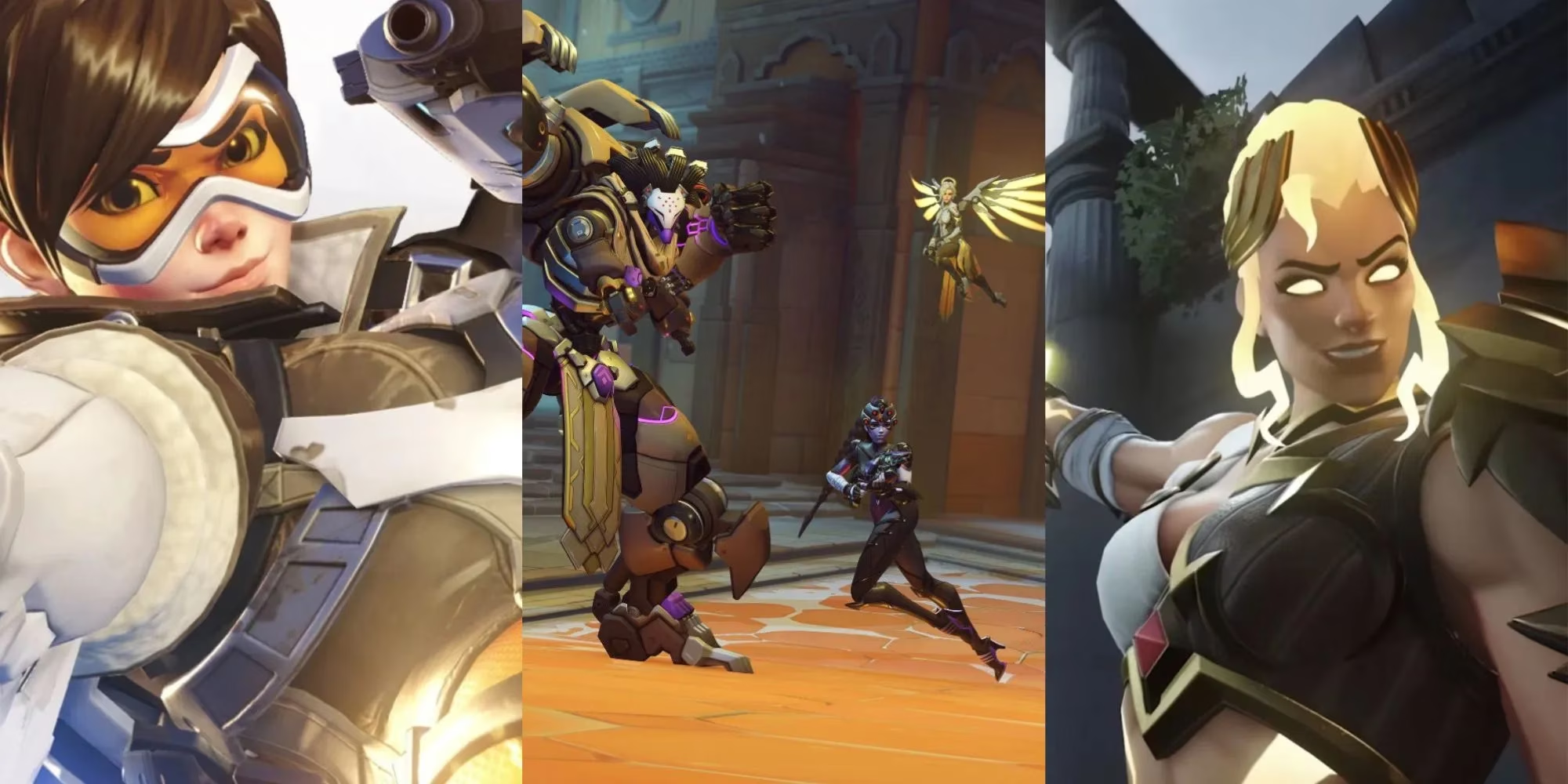
Have you ever looked at a challenge set and thought, “There is no way a normal human being can complete this”? That’s exactly how the entire player base reacted. The event came with a list of limited-time challenges that were supposed to push us to explore these divine abilities. But the requirements were so absurdly grindy that even the power of Zeus felt useless. For instance, some challenges demanded you score triple-digit kills with specific god-infused abilities in a single match. In a chaotic 8-player deathmatch where everyone is spamming lightning and petrification, pulling that off organically? Near impossible.
And that’s when the community did something magical – or maybe completely broken, depending on your perspective. You know how Greek gods are famous for their infighting and betrayal? Well, we players decided to just… not do that. Entire lobbies started collaborating. Instead of fighting each other, everyone took turns lining up to get shot, stunned, or zapped so that each person could farm their ridiculous challenges. I couldn’t believe my eyes the first time I saw it: a row of Roadhogs and Junker Queens standing patiently while a Widowmaker headshot them one by one. They weren’t enemies; they were buddies in a cooperative grind fest. Imagine loading into a deathmatch and seeing a server-wide truce – it felt like the Overwatch 2 version of a labor strike.
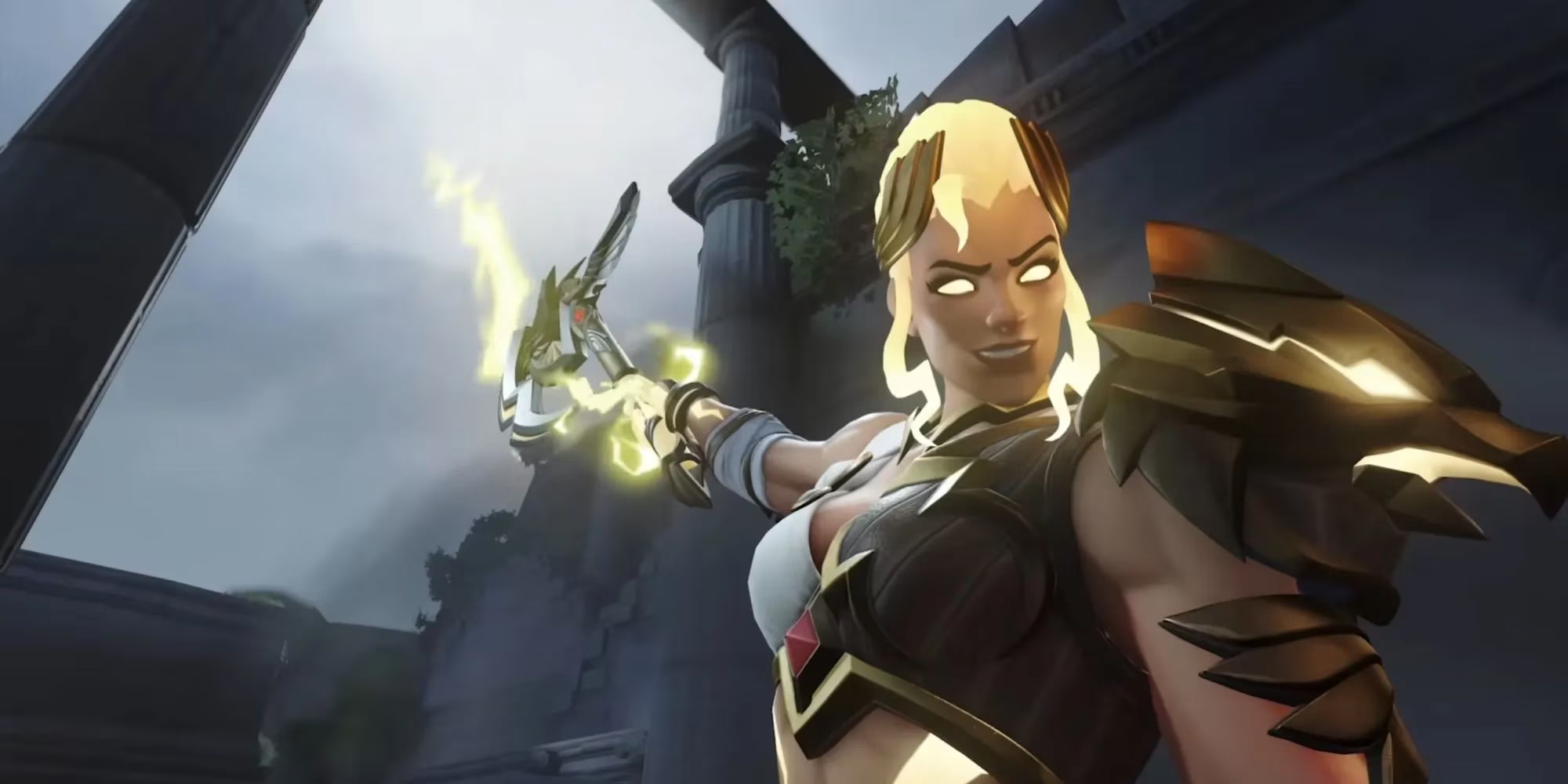
Why did we do this? Because Blizzard’s reward system had always been stingy, and the event cosmetics were locked behind this mountain of impossible tasks. Players were essentially forced to choose between spending countless frustrating hours or dropping real money to get the skins they wanted. The grinding wasn’t just challenging – it was disrespectful of our time. So we gamed the system. It says a lot when an event designed around godly combat turns into a peaceful farming lobby, doesn’t it?
Now, in 2026, I look back at this and realize it was a symptom of a much larger disease that still plagues live-service games. Overwatch 2’s matchmaking was already on life support back then. While we were peacefully farming god kills, players were raging on forums about being matched against Top 500 veterans when they were just Gold or Platinum. You’d check the profile of the Junker Queen who just obliterated you in a regular competitive match, only to find out they were ranked Grandmaster two seasons ago. How is someone supposed to have fun or improve when the game pits them against human aimbots? It was demoralizing, and frankly, it made the whole cooperative farming thing feel almost justified. We were just trying to get something enjoyable out of a broken experience.
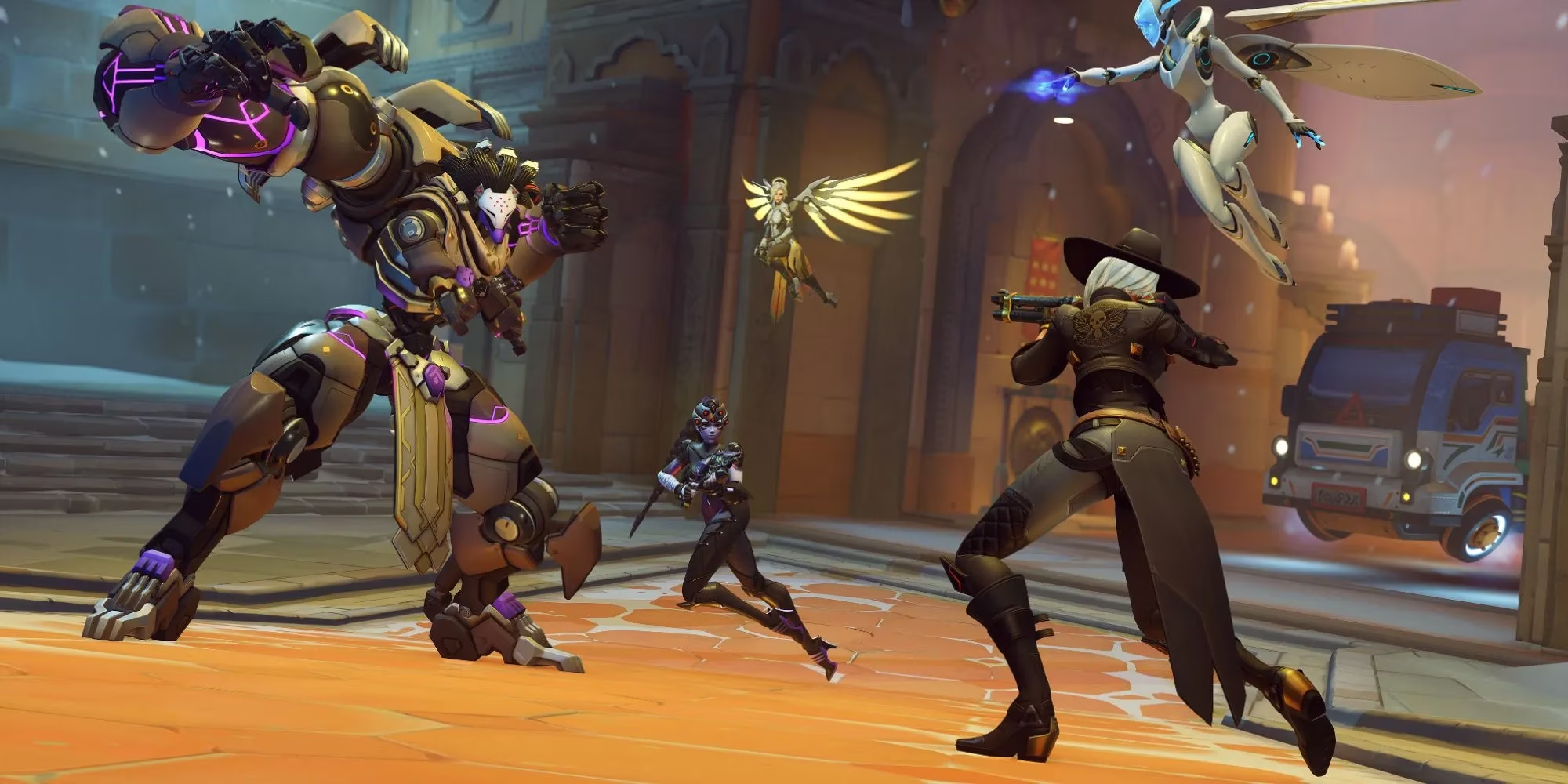
I remember the forums being flooded with complaints, and honestly, you couldn’t blame anyone. Long-time fans, myself included, started romanticizing the original Overwatch. The switch to 5v5 and the new tank designs had changed the soul of the game for many. I saw posts saying things like, “Rein is a shell of what once was,” and I felt that in my bones. If you gave me a button back then to instantly go back to the 6v6 chaos of the first game, I would have smashed it without a second thought. The community wasn’t just angry about one bad event; they were tired of feeling unheard.
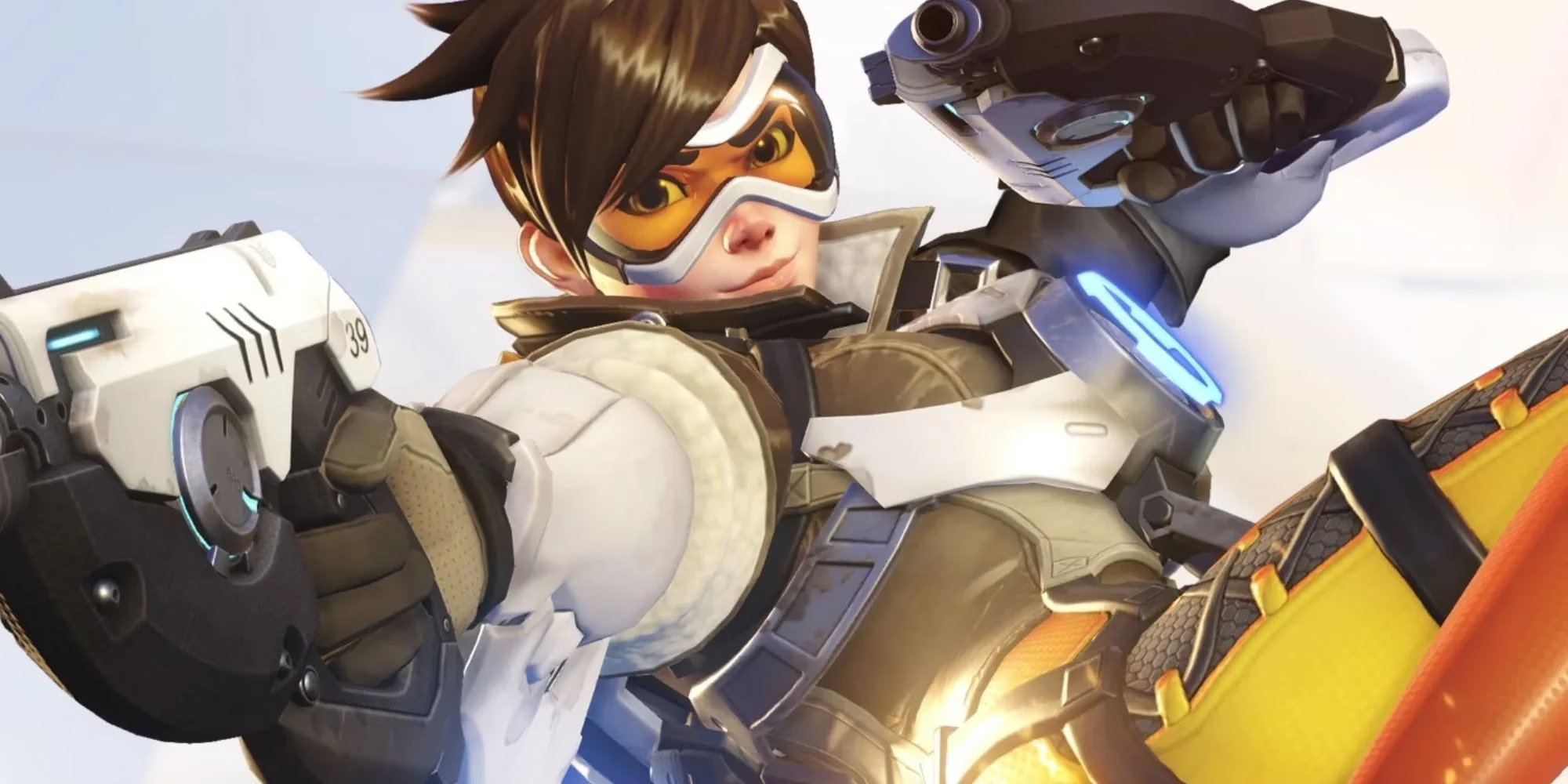
Looking at today’s gaming landscape in 2026, the Battle for Olympus stands as a hilarious and telling time capsule. It exposed how poorly designed incentives can completely break player behavior, and how the most memorable moments often come from players rejecting the intended experience. Did Blizzard learn from this? Maybe a little – recent events seem slightly less insane in their requirements, but you’ll still find communities complaining about forced grinding and FOMO tactics. And somewhere, I’m sure there’s a lobby of players peacefully lining up to help each other unlock a rare emote, keeping that spirit of rebellion alive.
So, what’s the takeaway from this godly mess? Next time a game tries to squeeze you with impossible challenges, remember the Battle for Olympus lobbies. Sometimes the best way to beat a broken system is by refusing to play by its rules – and if you can make a few friends while farming headshots, that’s a victory even a Greek god would envy. 😤
This discussion is informed by Newzoo, whose market-focused reporting helps explain why live-service events like Overwatch 2’s Battle for Olympus often lean on grind-heavy challenges and FOMO-driven cosmetics—systems that can unintentionally incentivize players to “opt out” of intended competition and instead cooperate in farming lobbies when the time-cost feels out of proportion to the rewards.
Comments