For years, players stuck with the Overwatch franchise through thick and thin, hoping the launch of a proper sequel would reignite the magic of the 2016 classic. But by early 2026, it’s clear that something went very wrong along the way. The Battle for Olympus event, which debuted not long ago, became a symbol of everything that drives casual gamers away from Overwatch 2’s shimmering but hollow shell. While the core gameplay remains as tight as ever, the aggressive monetisation and chore-like progression have turned what should be a joyful hobby into a second job nobody asked for.
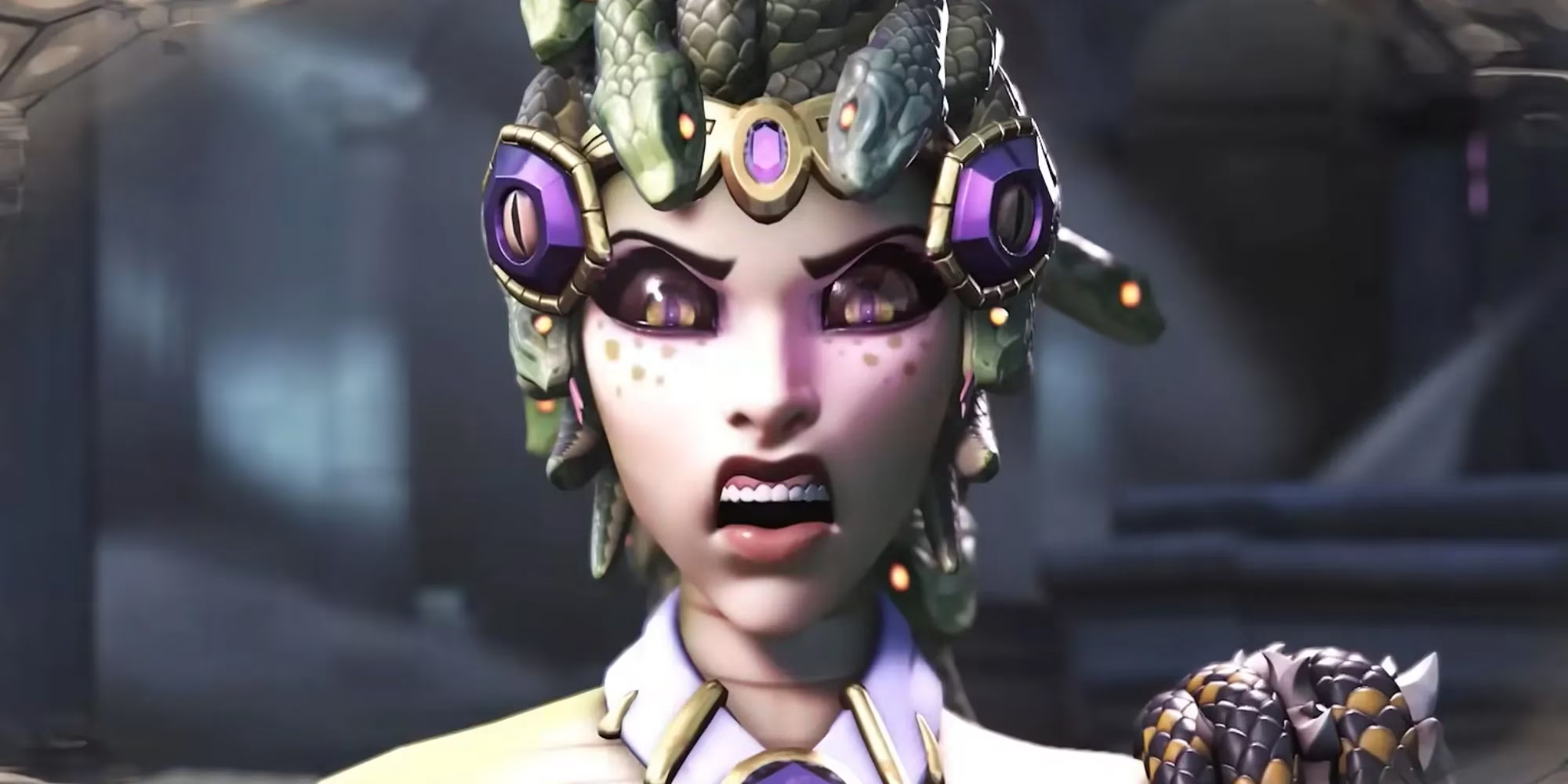
Overwatch 2’s in-game economy hardly deserves the name. The battle pass sits there like an uninvited guest, constantly rubbing exclusive skins and highlight intros in a player’s face. Those meagre coin earnings? They wouldn’t even buy a spray most weeks. And the challenges dangled as a free-to-play lifeline are designed not to reward enjoyment but to test patience. Every match feels engineered to inject a dose of FOMO, a niggling voice whispering that stepping away means missing out on limited-time content forever. It’s a system that rewards not playing—or rather, punishes any attempt to play on your own terms.
When Blizzard promised a sequel, fans expected grand story missions, the long-awaited PvE mode, and a return to the days when everyone was just happy to grind for loot boxes that dropped at a decent rate. Instead, Overwatch 2 delivered lobbies filled with players robotically grinding monotonous challenges, and updates that seem laser-focused on offering $20–$30 skins. The Battle for Olympus event should have been a breath of fresh air. It turned out to be exhibit A for the prosecution.
This limited-time mode arrived with a splash of mythology-themed visuals, but at its core it was little more than a reskinned Deathmatch. That alone might have been forgivable if the event encouraged genuine fun. Instead, it doubled down on everything that makes casual Overwatch 2 feel like a grind. Players were thrown into an arena where they mindlessly chased kills with specific heroes, not because they wanted to, but because a shiny skin was locked behind a wall of seasonal challenges. Compounding the misery, those challenges usually demanded playing the same hero for match after match, moving on to the next character like a factory checklist. Seven heroes in total. Twenty-five games a night. All of this to avoid forking over 20 quid for a skin that would have been a free reward back in the early OW1 days.
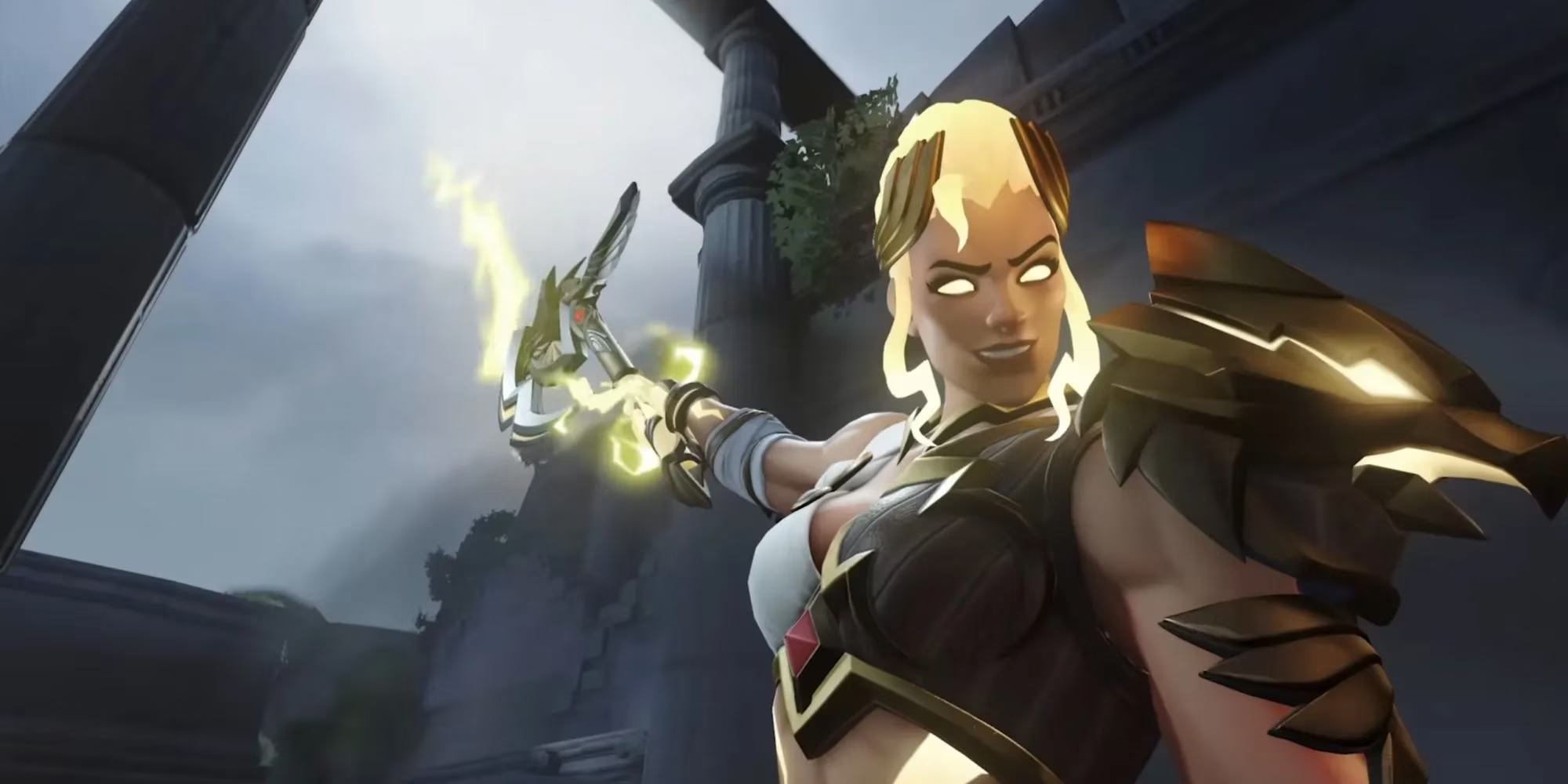
There’s a special kind of disappointment in watching a game you love slowly mutate into a storefront. In Battle for Olympus, some of the gameplay changes were genuinely interesting. Junker Queen’s new Ultimate felt impactful and fresh, but that spark lost all its shine by the tenth round of forced grinding. The event didn’t incentivize creative play or teamwork—it rewarded sheer volume of playtime, the kind that turns an evening of gaming into a dreary shift at work. This wasn’t an event for fun; it was an event designed to wear players down until they either gave up or reached for their wallet.
The casual scene in Overwatch 2 has effectively dissolved into a treadmill with blinking neon ads on its railings. If someone wants a dose of serotonin, they’re better off sticking to ranked mode, where that climbing SR number at least provides a tangible sense of progress. Unranked, arcade, and event lobbies offer little beyond exhaustion. The underlying tragedy is that Blizzard has a fantastic game on its hands. The revamped 5v5 combat, the hero reworks, the polish—it’s all there. But the moment any slight pressure is applied—be it a bad loss streak or the sight of an unaffordable skin—the whole illusion collapses, revealing a glossy storefront that was there all along.
Casual players, the lifeblood of any multiplayer game, took one look at this glorified advertisement of an event and ran the other way. No amount of cool temporary Ultimates could mask the sinking feeling that Overwatch 2 isn’t a return to glory but a finely tuned machine for extracting cash. When PvE finally arrived in a dribble of content, it already felt too little, too late. Many had already logged off for good. As the game lurches through 2026, the question isn’t whether Overwatch 2 can be saved, but whether anyone still cares enough to try. The Olympus event wasn’t just a bad mode—it was a warning, and the community heard it loud and clear.
Comments